
Energy and Vitality
Navigating provincial healthcare systems across Canada
From British Columbia to Newfoundland, access telehealth resources for thriving physically and mentally. Explore preventative strategies to boost immune resilience, metabolic balance, and longevity regardless of location.
Physiological awareness
Monitoring metabolic markers for systemic health
Somatic indicators constantly communicate status through metabolic rates and recovery variability. Recognizing seasonal affective disorder in Canadian winters or digestive inflammation allows for clinical intervention. Biometric tracking creates a baseline for homeostasis and helps identify chronic pathologies before they become critical.
Environmental stressors heavily influence endocrine function. Exposure to low-light winters affects melatonin synthesis and serotonin pathways. Adapting sleep-wake cycles to align with circadian biology helps maintain cellular defense and mitochondrial output throughout the year. Understanding biorhythms empowers individuals to optimize physiological performance.
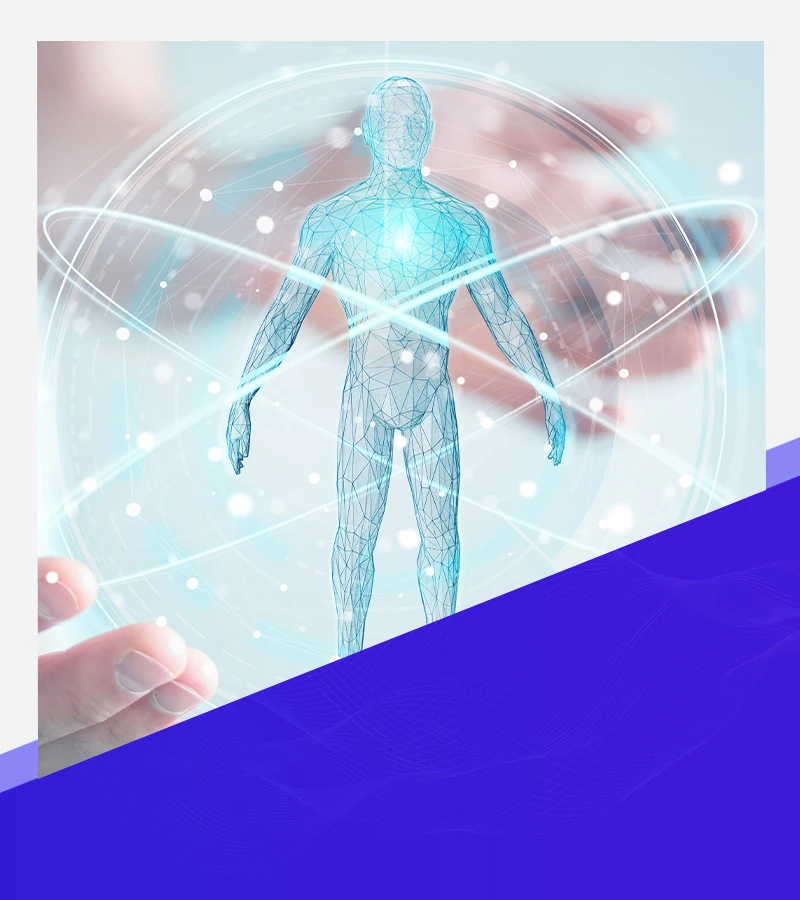
Ergonomic living
Integrating mobility and posture correction
Sedentary behavior poses a challenge in digital environments. Building metabolic flexibility involves more than sporadic cardio; it requires kinetic alignment and standing desk ergonomics to counteract musculoskeletal strain during long commutes across sprawling Canadian metropolises.

Aerobic conditioning
Nordic walking in sub-zero climates strengthens myocardial efficiency. Vascular circulation delivers oxygenated blood to peripheral tissues.

Resistance protocols
Weight-bearing exercises preserve skeletal density effectively. Lean muscle hypertrophy supports basal metabolic rate as hormonal profiles change.

Circadian regulation
Blackout settings promote REM cycles. Sleep consistency regulates the suprachiasmatic nucleus and neurotransmitters naturally.

Electrolyte balance
Fluid intake regulates thermoregulation. Hydration dynamics facilitate micronutrient transport to visceral organs.

Autonomic regulation
Diaphragmatic breathing lowers glucocorticoids significantly. Parasympathetic activation restores vagal tone and neural equilibrium.

Nature immersion
Green space exposure reduces cognitive load. Forest bathing improves dopamine regulation and attention span.
Integrating complementary therapies for systemic balance
Integrating integrative medicine enhances homeostasis. In high-stress environments, practices like acupuncture modalities, naturopathic medicine, and clinical aromatherapy support physiological alignment, autonomic regulation, and longevity.
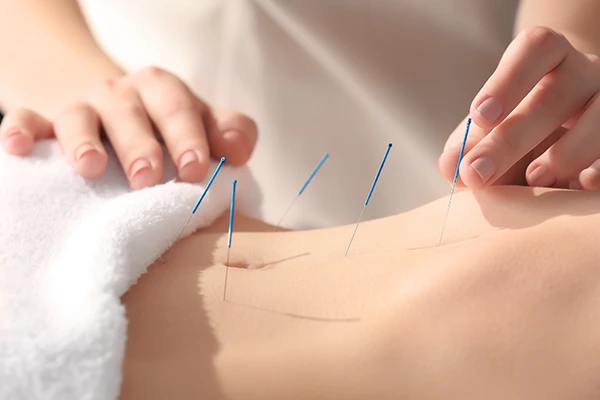
Meridian stimulation
Myofascial release stimulates Qi flow. Regular treatments help relieve neuropathic pain, reduce inflammatory markers, and improve lymphatic drainage naturally.

Constitutional remedies
Individualized protocols address chronic diatheses. Diluted potencies aim to stimulate vital force and auto-regulatory mechanisms.

Naturopathic consultations
Functional testing guides orthomolecular nutrition, lifestyle medicine, and botanical protocols. Naturopathic doctors focus on root-cause resolution.

Spinal manipulation
Vertebral subluxation correction promotes neural integrity. Manual therapy reduces articular restriction, improves biomechanics, and enhances proprioception.

Olfactory therapy
Volatile compounds stimulate limbic pathways. Therapeutic grade distillates support anxiolytic effects, sedation, and neurotransmitter modulation.
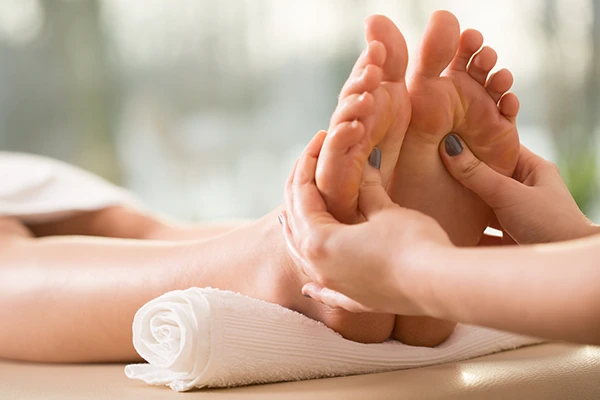
Zone therapy
Somatotopic maps on extremities activate visceral reflexes. Podiatric stimulation relieves allostatic load and encourages bioenergetic flow.
Primary care
Navigating specialist referrals and diagnostics
Shifting from acute intervention to preventative screening reduces morbidity risks. Understanding genetic predispositions and scheduling covered diagnostics allows for detection of pre-clinical markers. Early detection significantly improves the survival rates for autoimmune diseases prevalent in northern latitudes.

Protocols for chronic disease management
- Immunization protocols protect populations against viral vectors and respiratory pathogens.
- Optometric evaluations and periodontal exams identify cardiovascular biomarkers early.
- Genomic sequencing provides predictive analytics for hereditary phenotypes.
Optimizing macronutrient profiles for cellular function
Functional nutrition transcends caloric density; it defines mitochondrial health. Consuming bioavailable proteins ensures the body receives cofactors and trace elements required for catalytic reactions and glycemic control throughout the day.
Cognitive resilience
Protocols for psychological hygiene
Maintaining psychological health involves understanding cortisol triggers and building adaptive mechanisms. Cognitive restructuring, circadian alignment, and somatic tracking help reduce sympathetic arousal, improve executive function, and strengthen neuroplasticity during psychosocial stressors.
Transcendental meditation
Focused attention sessions anchor awareness. Practicing presence reduces rumination and sharpens cognitive acuity.
Affect labeling
Identifying dysregulation prevents burnout. Expressive writing helps process psychosomatic states effectively.
Allostatic load management
Rhythmic scheduling, biofeedback, and progressive muscle relaxation buffer against adrenal fatigue.
Community integration
Secure attachment fosters belonging. Reciprocal exchanges provide oxytocin release and social safety.
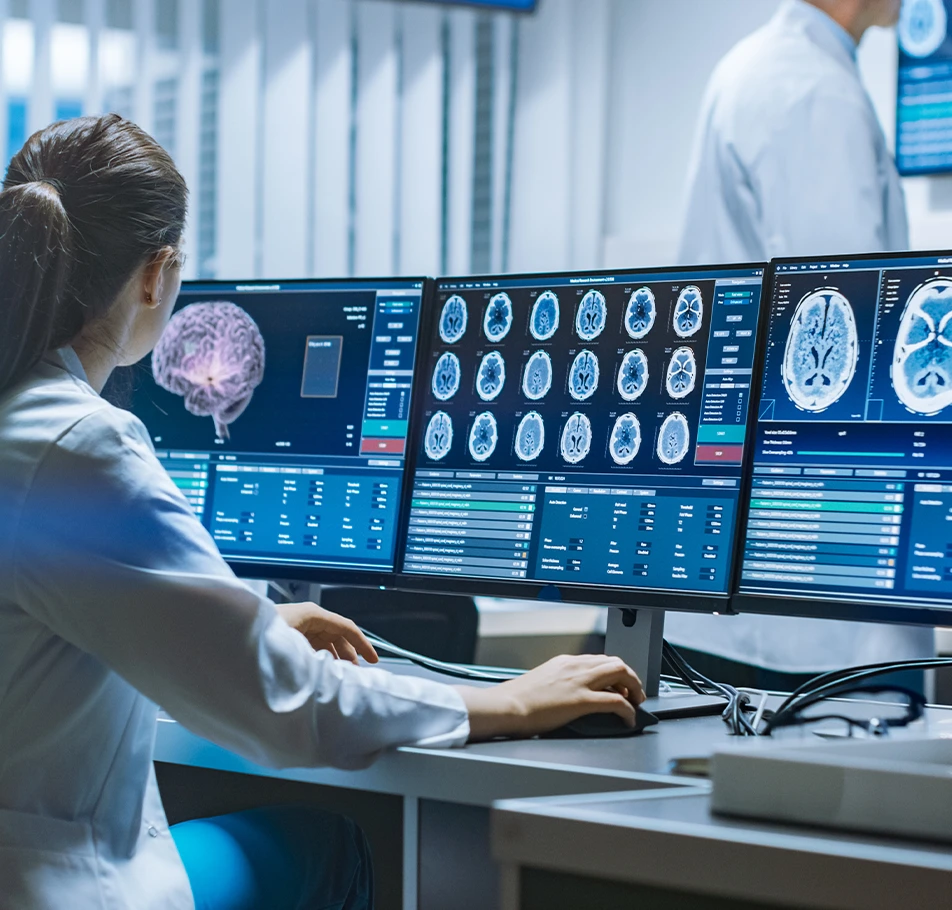
Digital health
Adopting digital therapeutics and telehealth
Canadian healthcare relies on telemonitoring to improve triage and patient outcomes. From biometric sensors to AI-driven diagnostics, these health-tech innovations enhance workflow, monitor chronic conditions, and support remote patient management across rural provinces.

Connected biosensors
Biosensors track heart rate variability and activity metrics. Longitudinal data helps users optimize recovery and prevent pathologies.

Virtual care platforms
Virtual visits connect patients with practitioners remotely. Digital access reduces wait times and improves healthcare equity.

Predictive diagnostics
Deep learning analyzes imaging biomarkers. Algorithmic detection and precision medicine support individualized therapeutic plans.
Physical conditioning
Implementing functional fitness and mobility protocols
Maintaining musculoskeletal health requires progressive overload. Incorporating resistance training, active recovery, and aerobic thresholds strengthens connective tissue, boosts ATP production, and supports neurogenesis. Micro-habits compound over time, enhancing healthspan and sarcopenia prevention throughout life.